HEAD AND NECK CANCER
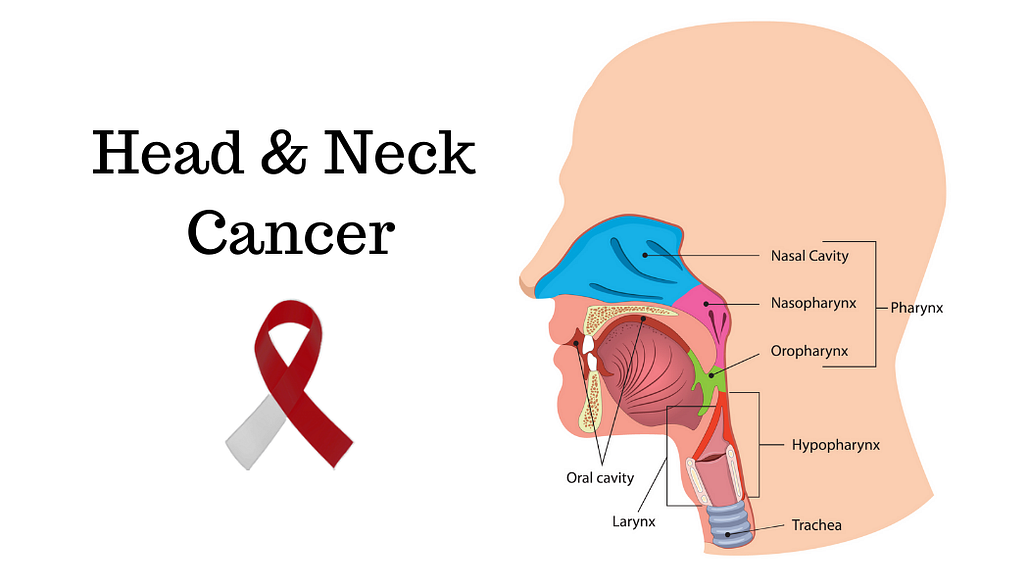
Head and Neck Cancer is begin with the squamous cells which line the mucosal surface of the Head and Neck area. Likewise inside the mouth, voice box, throat, and other parts of the salivary gland, sinuses, muscles, and nerves in the head and neck. Cancers like the brain, thyroid gland, eyes, and skin of the head and neck area are not considered Head and Neck Cancer.
If the squamous cells of carcinoma of the head and neck area are spreading, it can harm the crucial part of the head and neck part. The cancerous cells in lymph nodes are found in the upper neck when such evidence of cancer is not found in other parts of the area because the actual primary tumor is comparatively small.
SYMPTOMS
A lump in the neck, a sore that won’t go away and may hurt, a sore throat that won’t go away, trouble swallowing, a change in voice quality, or hoarseness are all possible signs of head and neck cancer. Other, less serious illnesses may also be at blame for these symptoms. Any of these symptoms should be discussed with a doctor or dentist right away.
Oral: A growth or swelling of the jaw that makes dentures unpleasant to wear or generates a white or red area on the gums, tongue, or mouth lining in addition to unusual bleeding or discomfort
Throat (pharynx): Pain while swallowing, persistent neck or throat ache, ear pain or ringing, or hearing difficulties.
Voice box (larynx): difficulty speaking or breathing, swallowing discomfort, or earache.
Nasal cavity and paranasal sinuses: Blockages in the sinuses that don’t clear up; persistent sinus infections that don’t respond to antibiotic therapy; bleeding from the nose; recurrent headaches, eye swelling, or other eye issues; discomfort in the upper teeth; or issues with dentures.
Salivary ducts: swelling around the jawbone or under the chin, facial muscle weakness or paralysis, or persistent discomfort in the face, chin, or neck.
If you go through any discomforts in your neck and head area with the above symptoms, you need to consult an oncologist quickly. An oncologist can help you to understand the position of the disease and guide you as per your requirements.

Doctors specialising in this field can provide intricate guidance on the cases. One should always be aware and look out for symptoms which may seem like nothing at first but can turn to worse, if ignored.
Mentionable names among some of the Best Oncologists in Kolkata are:


Comments
Post a Comment